The CobotsVETMed Project officially launched in January 2026, bringing together an international consortium committed to strengthening Technical and Vocational Education and Training (TVET) systems using metaverse-based learning approach.
It is funded by the European Union under the Erasmus+ Programme and aims to support TVET institutions in adapting to technological transformations driven by automation, digitalisation, and smart manufacturing in Tunisia and Algeria.
The consortium consists of six partners from Europe and Africa. From Europe, the partners include AREA from Italy, and Iceberg Plus and ASTI Automation from Romania. The African partners include Institut Supérieur des Systèmes Industriels and AMTA Academy from Tunisia, and École Nationale Polytechnique from Algeria.
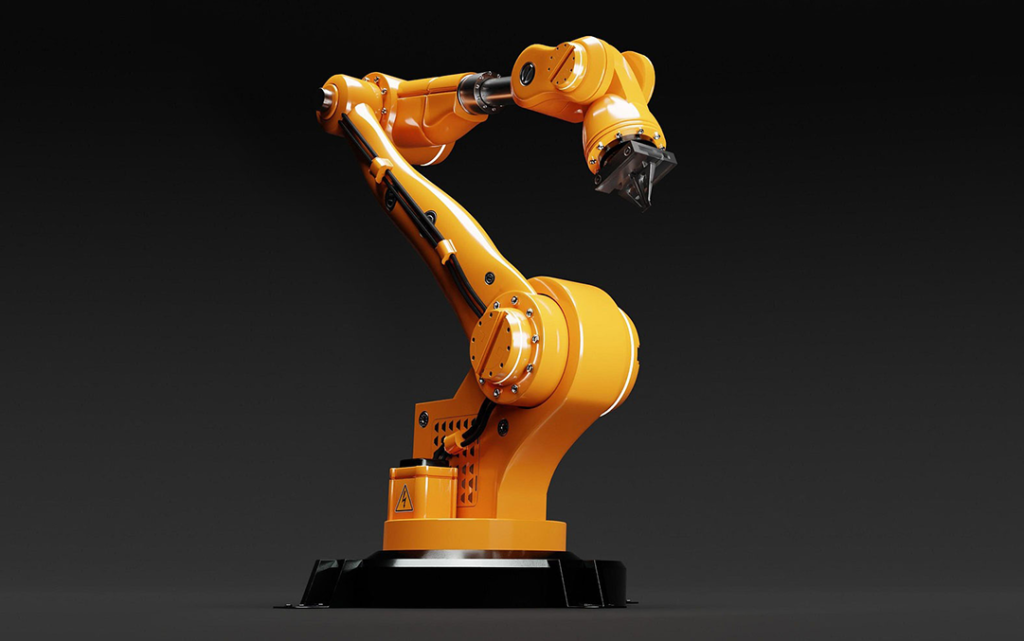
Across many industries in Algeria and Tunisia, robotics and automation technologies are rapidly transforming production processes and workplace environments. Collaborative robots, commonly referred to as cobots, are designed to work safely alongside humans, assisting with tasks that require precision, efficiency, and flexibility. As the use of these technologies expands, vocational education providers face the growing challenge of preparing learners with the technical competencies and practical skills required for this evolving labour market.
The CobotsVETMed project responds to this challenge by developing innovative training resources that will support the integration of collaborative robotics into vocational education and training programmes in Tunisia and Algeria. The project aims to upskill young people in cobot programming, cobot operation following safety protocols, and basic troubleshooting using the Universal Robots UR Sim simulation platform.
The curriculum will be tailored to local industry needs and will integrate both theoretical and practical components in order to bridge the gap between traditional training methods and the evolving needs of the industrial sector. The project design includes three intensive phases;
- The first phase focuses on gathering information on existing TVET curricula related to robotics.
- The second phase involves creating a Massive Open Online Course (MOOC), designing the curriculum based on the collected information and identified skills gaps, assessment and testing.
- In this phase, using the scale up curriculum, CobotsVETMed will implement a “train-the-trainer” programme using a virtual reality platform, while also developing industrial digital learning materials tailored to the needs of vocational institutions, teachers, and students.
All developed training materials will be uploaded to the Smart Step e-Learning Platform, where learners will be able to access the courses at their own pace. The platform is multilingual and offers free training courses in entrepreneurship, waste management, environmental analysis, and downloadable learning materials developed by AREA.
CobotsVETMed represents an important step toward preparing North Africa future workforce to work confidently and safely in technology-enhanced environments where humans and robots collaborate.